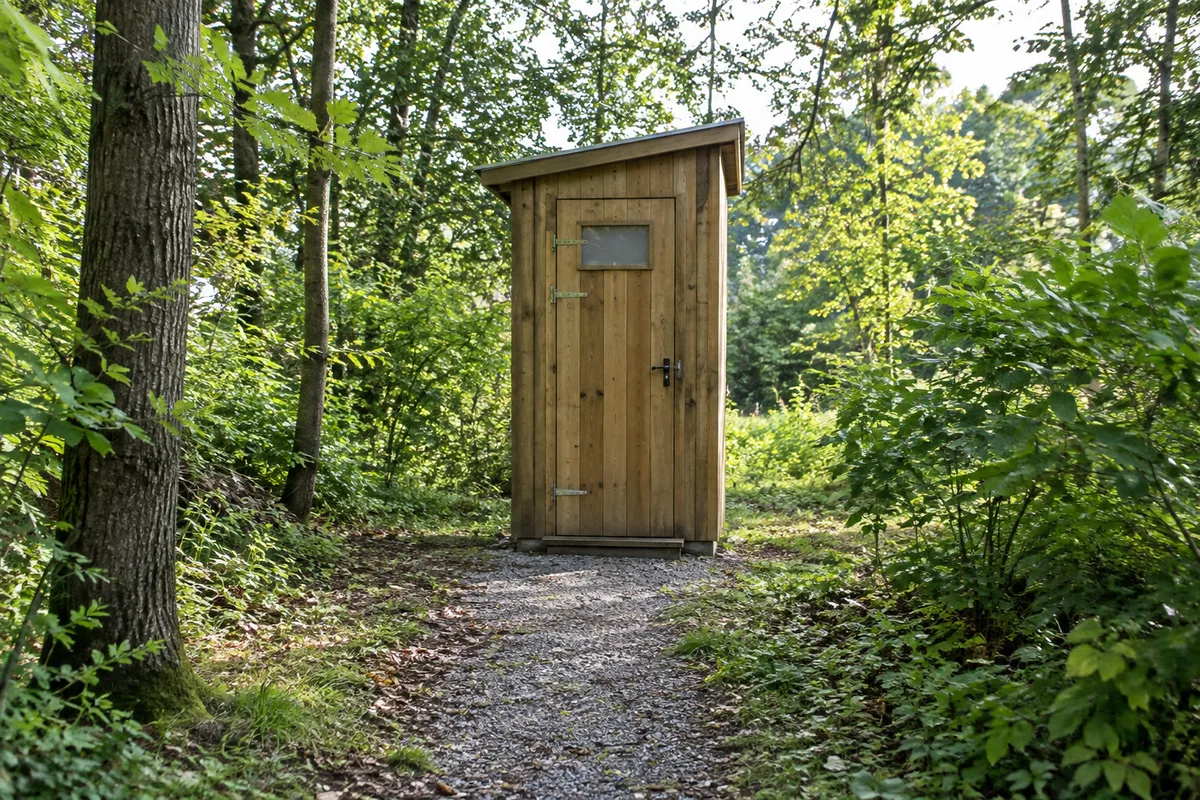
A toilet is only the visible part of a sanitation arrangement. Before choosing one, follow what happens before and after use: water, power, ventilation where specified, cleaning, storage, servicing and the final destination of waste. The right comparison covers that whole chain.
This guide helps you prepare questions for local authorities, suppliers and qualified installers. It does not determine which system is permitted on your property or give instructions for handling or disposing of human waste.
Define the people and pattern of use
Write down ordinary occupancy, occasional guests, length of visits and the longest gap between visits. Include the people who will clean and maintain the arrangement. A product that seems manageable for one confident owner may be difficult for visitors or for a person with different mobility needs.
Describe the route from the sleeping area, the privacy available, handwashing, lighting and what happens in unpleasant weather. These details deserve space in the brief alongside capacity. Imagine using the arrangement at night when you are tired; that often reveals practical questions hidden by a daytime product demonstration.
Distinguish an existing approved system from a new proposal. For an existing installation, obtain records, maintenance history and operating instructions. For a new one, establish the applicable process before buying equipment. Keep each answer dated and identify who provided it, particularly where the answer depends on your particular site.
Compare arrangements by their whole routine
A portable or cassette-style arrangement may involve storage, transport and use of an appropriate authorized disposal facility. Investigate that complete route: where the facility is, when it is available, what it accepts and how the product must be serviced. “We will empty it somewhere” is an unresolved dependency, not a disposal plan.
A water-flushing toilet connected to an approved treatment system creates a different set of questions about water demand, site suitability and maintenance. The US EPA's overview of septic system types explains that selection depends on factors including the site, soil, household size and local requirements. Its US overview is background, not approval for a particular property.
A waterless or composting-labelled product needs equally careful scrutiny. Ask what the unit actually does, which inputs and operating conditions it requires, and what material remains to be managed. The EPA's composting toilet background fact sheet discusses maintenance and the separate question of household greywater. It is an older technical overview; current local requirements and the exact product instructions must govern your decision.
Do not infer that material can be spread on a garden because a product uses the word “composting.” Obtain a clear, applicable answer about the lawful and safe destination of all outputs. If the answer remains vague, that option is not yet ready to compare as a complete solution.
Keep washing water in the picture
List the sinks, showers and other sources of wastewater. Draw a destination for each one. Even if your preferred toilet uses little or no flush water, these other flows still need an appropriate arrangement. Put them in the same project brief so they cannot disappear between separate purchasing decisions.
Now add handwashing close to the toilet routine. Record the suitable water supply, soap, drying arrangement, replenishment and cleaning. A bathroom plan should be understandable to a guest without a long explanation. Where your setup requires unfamiliar steps, provide clear instructions that match the actual product and facilities.
Return these water uses to your water budget. If a choice adds a pump, fan, heater or controller, add the exact equipment requirements to your power audit as well. Dependencies are easier to resolve when they are written beside the choice that creates them.
Ask who performs every service task
Make a task list from the manufacturer and installer instructions. Beside each task, identify who does it, how often it is required, what access is needed and whether it requires a professional. Do not replace those instructions with a general internet maintenance interval.
For an existing septic arrangement, the EPA emphasizes inspections, maintenance records, appropriate use and care of the drainfield. The required schedule depends on the system and use. Keep the service provider's site-specific recommendations with the records and make changes in occupancy part of the discussion.
Include the task you least want to do. If neither owner is comfortable doing it, price and arrange a suitable service before choosing the system. A plan that depends on someone becoming willing later is likely to create conflict. It is reasonable to choose an arrangement partly because its upkeep fits the people involved.
Compare a normal visit with an interrupted one
Walk through arrival after a long absence, an ordinary weekend and departure. Then consider an extended stay, an unavailable disposal facility or a fault. Ask the supplier what conditions require you to stop using the equipment and whom to contact. Keep that answer accessible without an internet connection.
Think about a guest weekend separately. Capacity, consumables, cleaning and familiarity may all differ from your usual two-person routine. Rather than assuming extra use is harmless, confirm the limits of the complete arrangement. Make guest instructions brief and specific enough that people will actually follow them.
Set a clear threshold for cancelling or ending a stay if sanitation is unavailable. That is a practical operating decision, not a failure of the project. Resolve the acceptable fallback before you need it, with suitable professional guidance where necessary.
Take a complete brief to the next conversation
Your comparison sheet should contain the pattern of use, the whole waste route, other wastewater arrangements, dependencies, service tasks and outstanding approvals. Add the purchase and installation quote only after these columns are visible. An inexpensive product can still create an incomplete project.
Keep the eventual instructions in your arrival and leaving checklist. Everyone who helps care for the cabin should know where the authoritative procedure lives and which tasks require a professional. The aim is a routine people can use comfortably and maintain correctly through the actual rhythm of visits.
Compare the servicing routine of two real designs
The weekend-cabin waterless toilet guide compares a mixing design with a separating-only design. Work through ventilation, emptying, cleaning, winter shutdown and the disposal route before deciding which fits your visits. The practical choice is the routine your household can maintain, within the requirements where the cabin stands.